Murdered & Missing Indigenous Relatives (MMIR)
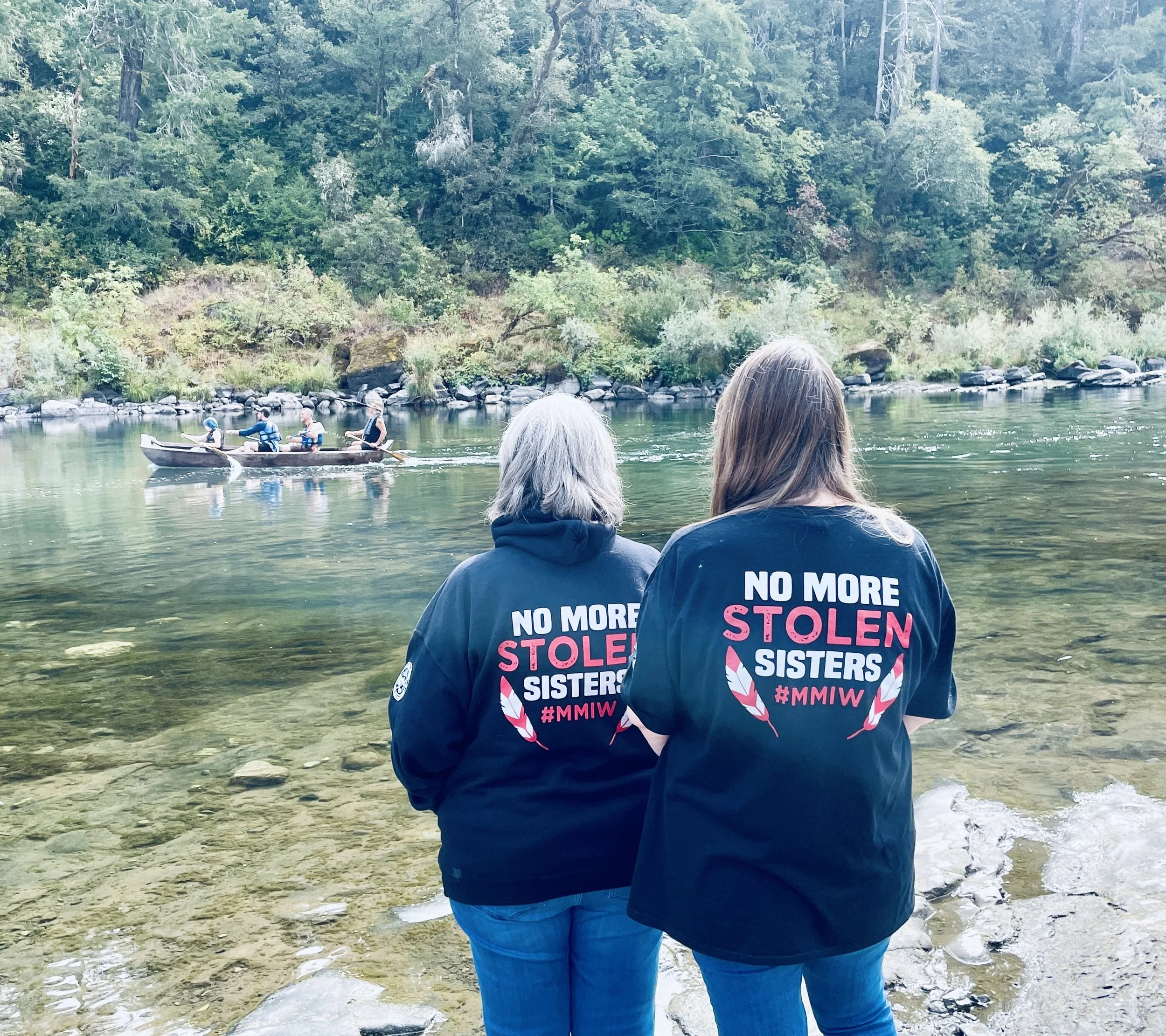
Honoring our relatives. Raising Awareness. Taking Action.
MMIR is a national crisis that demands our collective attention, compassion and commitment to justice.
What MMIR Means
MMIR refers to the crisis of violence effecting indigenous people - especially women, girls and Two-Spirit relatives. It impacts our communities across Indian Country and beyond.
Why May 5th Matters
National Day of Awareness for Missing Murdered Indigenous Women, Girls is observed every year on May 5th, It honors our relatives and amplifies our call to justice.
How you can help
We can all play a roll - by educating ourselves, supporting indigenous -led efforts, advocating for change and showing up for relatives.
Annual MMIR Awareness Walk
Tuesday, May 5th, 2026
Walk begins: 12:00noon
Gather: 11:45am at Chetco Community Library
405 Alder St, Brookings, OR
Walk Route: Library across bridge and back to library
Chetco Bridge Walk
We will gather at 12noon and walk together across the Chetco bridge
Wearing
Red
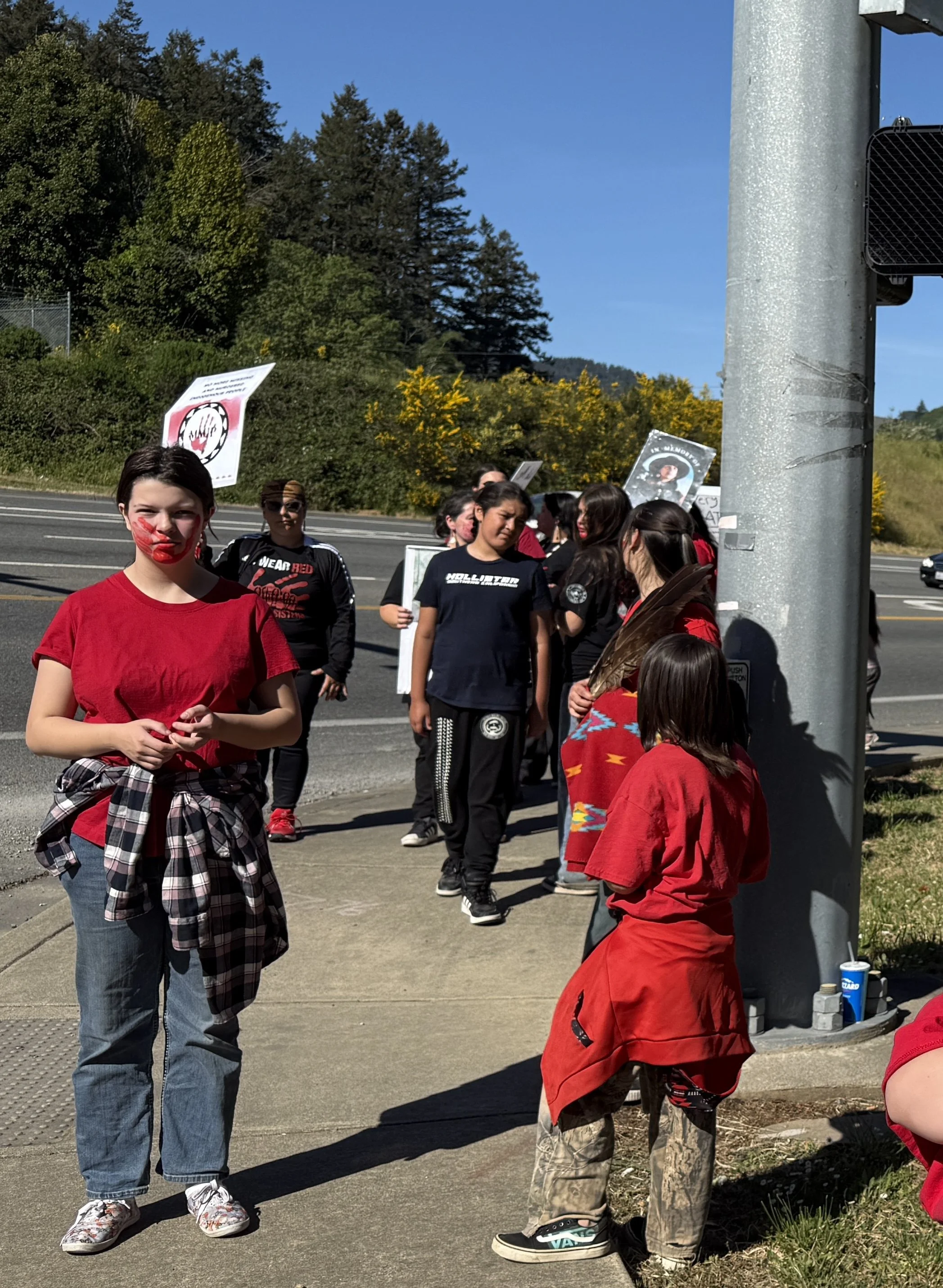
Wear red to honor our relatives and raise aware
All Are Welcome
Together we stand in solidarity, love, and remembrance.
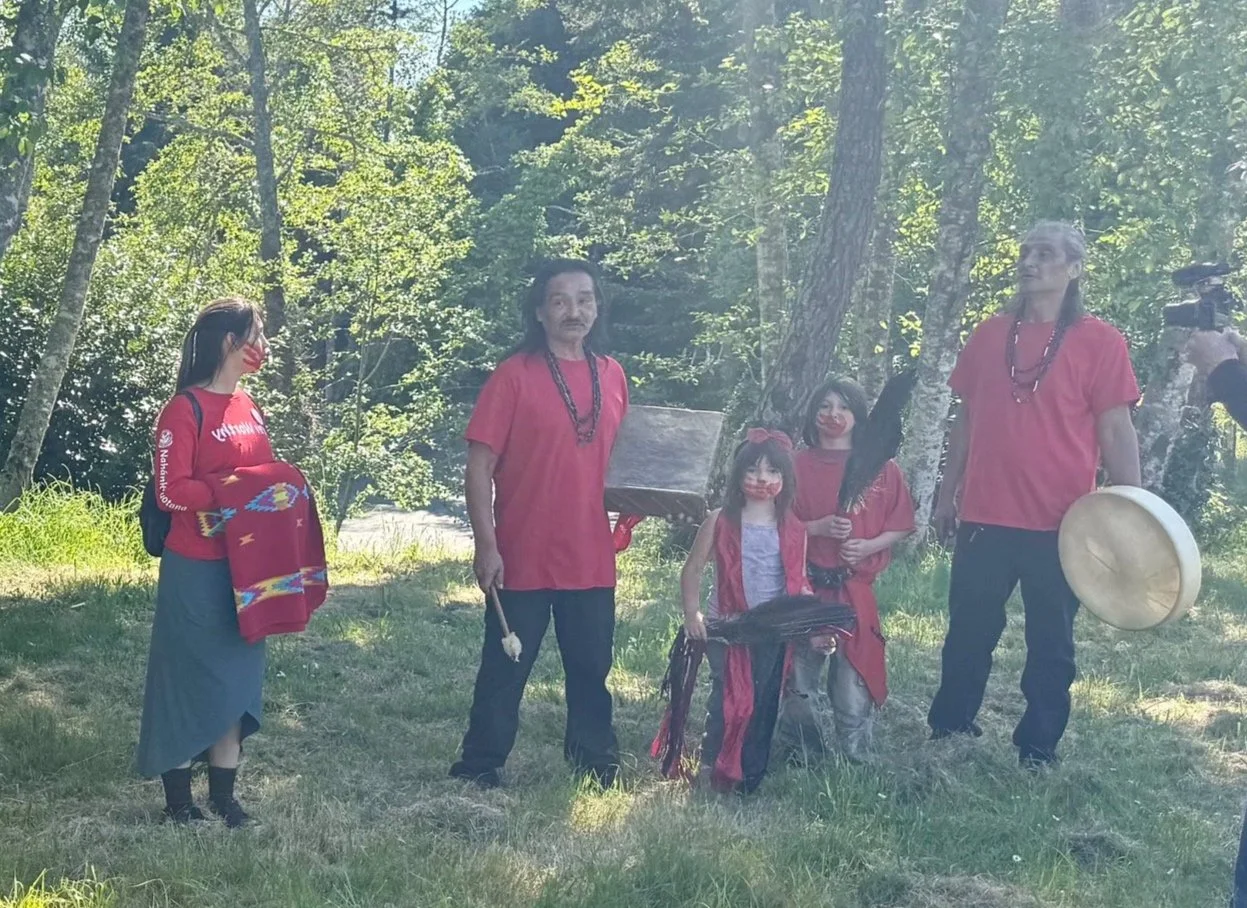
Community Action.
Collective Healing.
Change happens when we come together.
By supporting indigenous-led initiatives, uplifting survivors, and educating our communities, we create a future where our relatives are safe, seen and never forgotten.
Frequently Asked Questions
-
MMIR stands for Missing and Murdered Indigenous Relatives. You may also see MMIP, meaning Missing and Murdered Indigenous People, or MMIWR, meaning Missing and Murdered Indigenous Women and Relatives; these terms are used to name the ongoing crisis affecting Indigenous families and communities.
These terms reflect more than missing persons cases alone. They point to a broader crisis that includes violence, underreporting, barriers to justice, and the need for coordinated support for families and communities.
-
MMIR is important because Indigenous people experience disproportionately high rates of violence, and families often face major challenges in getting cases taken seriously, investigated, and properly tracked. Federal agencies and Native-led organizations describe MMIP as both a violence crisis and a data crisis.
NIWRC reports that 84.3 percent of American Indian and Alaska Native women have experienced violence in their lifetime, and some reservation communities have faced murder rates for Native women more than 10 times the national average.
-
The statistics show why this issue demands urgent attention. According to the Bureau of Indian Affairs, homicide was the fourth leading cause of death for American Indian and Alaska Native females ages 1 to 44, based on CDC National Vital Statistics data cited by BIA.
Other widely cited data points show the scale of the crisis and the gaps in reporting. UIHI notes that 5,712 American Indian and Alaska Native women and girls were reported missing in 2016, while only 116 cases were logged in the U.S. Department of Justice federal missing persons database, highlighting major data and coordination problems.
-
Origin: Created in 2017 to honor Hanna Harris, a Northern Cheyenne member murdered in 2013, and to raise awareness about the inaction surrounding cases of missing/murdered Native women. May 5 is now widely recognized as Missing and Murdered Indigenous Persons Awareness Day, also described by some organizations as a National Day of Awareness. Communities often honor the day by wearing red, attending walks or vigils, sharing educational materials, and calling for justice for stolen relatives.
-
Wearing red has become a visible way to honor Missing and Murdered Indigenous People and to bring public attention to the crisis during awareness events on May 5. Red dresses are hung in trees, windows, and public spaces to represent the missing. Red is believed to be the only color spirits can see, allowing them to reconnect with the physical world. Wearing red honors those who are missing, remembers those who were taken, and shows support for Indigenous families seeking justice.
-
Community members can help by learning about MMIR/MMIP, attending awareness events, sharing accurate information, supporting Native-led organizations, and amplifying resources for families and survivors. Public education and coordinated community support are commonly recommended parts of broader prevention and intervention efforts.
-
Families, victims, and survivors can access support through national hotlines and federal resources, including the BIA Missing and Murdered Unit tip line, NamUs, and Native-centered support services such as StrongHearts Native Helpline. The U.S. Department of Justice also maintains a resource basket for families, victims, and survivors with reporting and support options.
-
No. Many awareness efforts began by drawing attention to Native women and girls, but current MMIP/MMIR work also recognizes that Indigenous men, boys, Two-Spirit people, and relatives across communities are affected. Some organizations now explicitly use broader terms such as MMIP or MMIWR to reflect that wider impact.
-
You can participate by joining the community event, wearing red, inviting others, and using the day to learn more about MMIR and support Indigenous families and communities. Your page can include local event details, schedule, and contact information so visitors can easily take part.
Community Resources
-
NIWRC offers toolkits and educational materials for families, communities, and advocates, including resources designed to help people respond to cases involving missing or murdered Native women.
-
The Office for Victims of Crime provides outreach materials, sample messaging, videos, and downloadable awareness content tied to May 5 and broader MMIP education. This is especially useful if you want public-facing educational resources and campaign language.
-
The Bureau of Indian Affairs operates the Missing and Murdered Unit and provides case information, public education, and a tip line. The BIA also states that the tip line is confidential, toll free, and available 24/7 at 833-560-2065, with anonymous tip texting through 847411 using “BIAMMU.”
-
The U.S. Department of Justice provides a centralized list of support services, reporting contacts, and crisis lines for families, survivors, and community members. This page includes links to NamUs, the National Domestic Violence Hotline, StrongHearts Native Helpline, and other relevant services.
-
StrongHearts Native Helpline is a Native-centered domestic, dating, and sexual violence helpline, and DOJ’s MMIP resource page lists it at 844-7NATIVE (762-8483). This is one of the clearest support resources to include for visitors who may need help beyond general awareness information.
-
The National Missing and Unidentified Persons System, or NamUs, is a national resource that helps support missing persons case work and information-sharing. DOJ’s MMIP family resource page lists NamUs among the key national resources for families and survivors.
-
The U.S. Department of the Interior has an overview page explaining federal efforts related to Missing and Murdered Indigenous Peoples, including the Missing and Murdered Unit and the Not Invisible Act. This can be a useful background resource for visitors who want institutional context
-
Together, we can raise awareness, demand action, and ensure that the voices of missing and murdered Indigenous people are heard and honored.