Urgent Call for Funding:
Tututni Estuary Eco-Cultural Restoration
This Place Matters — to All of Us
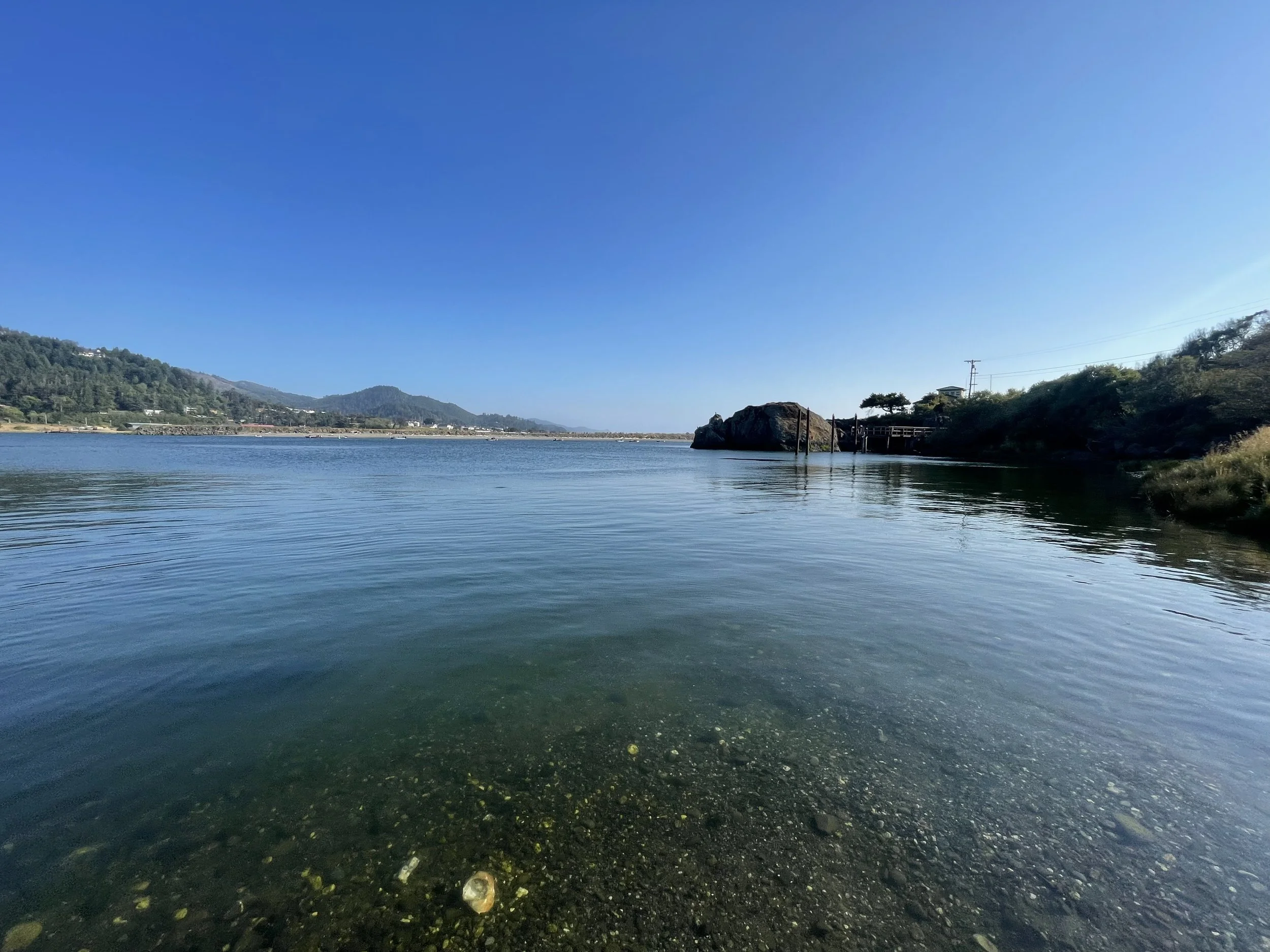
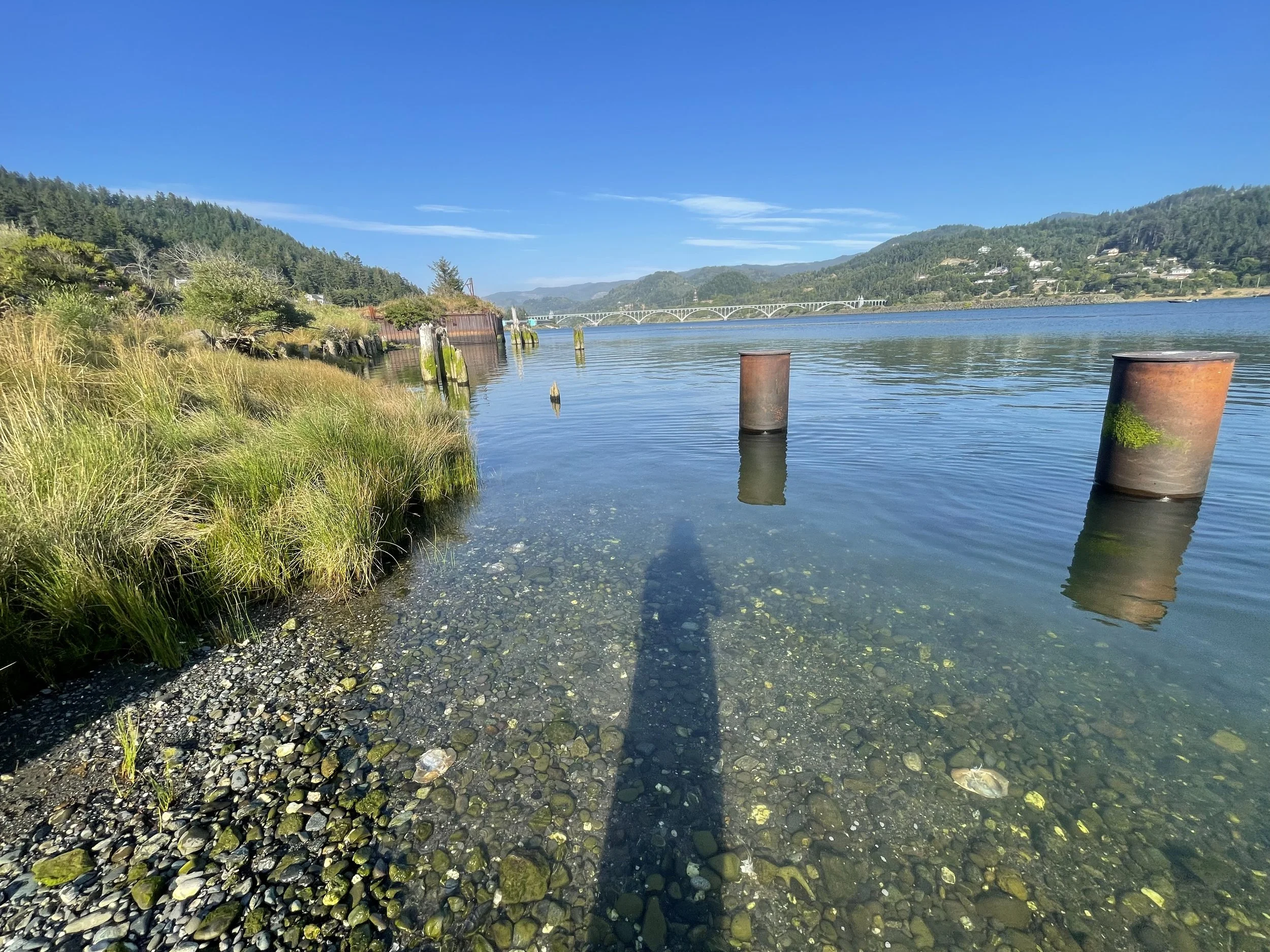
The Tututni Estuary is more than open land near the Rogue River.
It is a living cultural landscape — a place of ceremony, food systems, travel routes, cultural and ecological abundance for the Tututni people and neighboring Tribes since time immemorial.
Today, it is also one of the last intact estuarine and cultural landscapes in Curry County with the potential to be restored, protected, and shared responsibly with the public.
The future of this place will shape:
Development Pressures Threaten Irreplaceable Land
Despite its documented cultural, ecological, and educational value, the Tututni Estuary faces increasing pressure from private development proposals that do not adequately account for:
Indigenous cultural resources
Cultural and heritage resources protections under state & federal laws
Estuary and floodplain function
Long-term public benefit
Climate and hazard risk
Once this place is altered, it cannot be restored.
Indigenous-Led, Community-Centered Stewardship
The Northwest American Indian Coalition (NAIC) is guiding the Tututni Estuary Eco-Cultural Restoration (TEER) effort to ensure this place is protected and restored through:
NAIC brings together cultural leaders, scientists, planners, and community members to advocate for solutions that honor both people and place.

What the TEER Project Supports
Cultural Protection
Identification and protection of culturally significant sites
Compliance with state and federal cultural resource laws
Indigenous consultation and verification protocols
Ecological Restoration
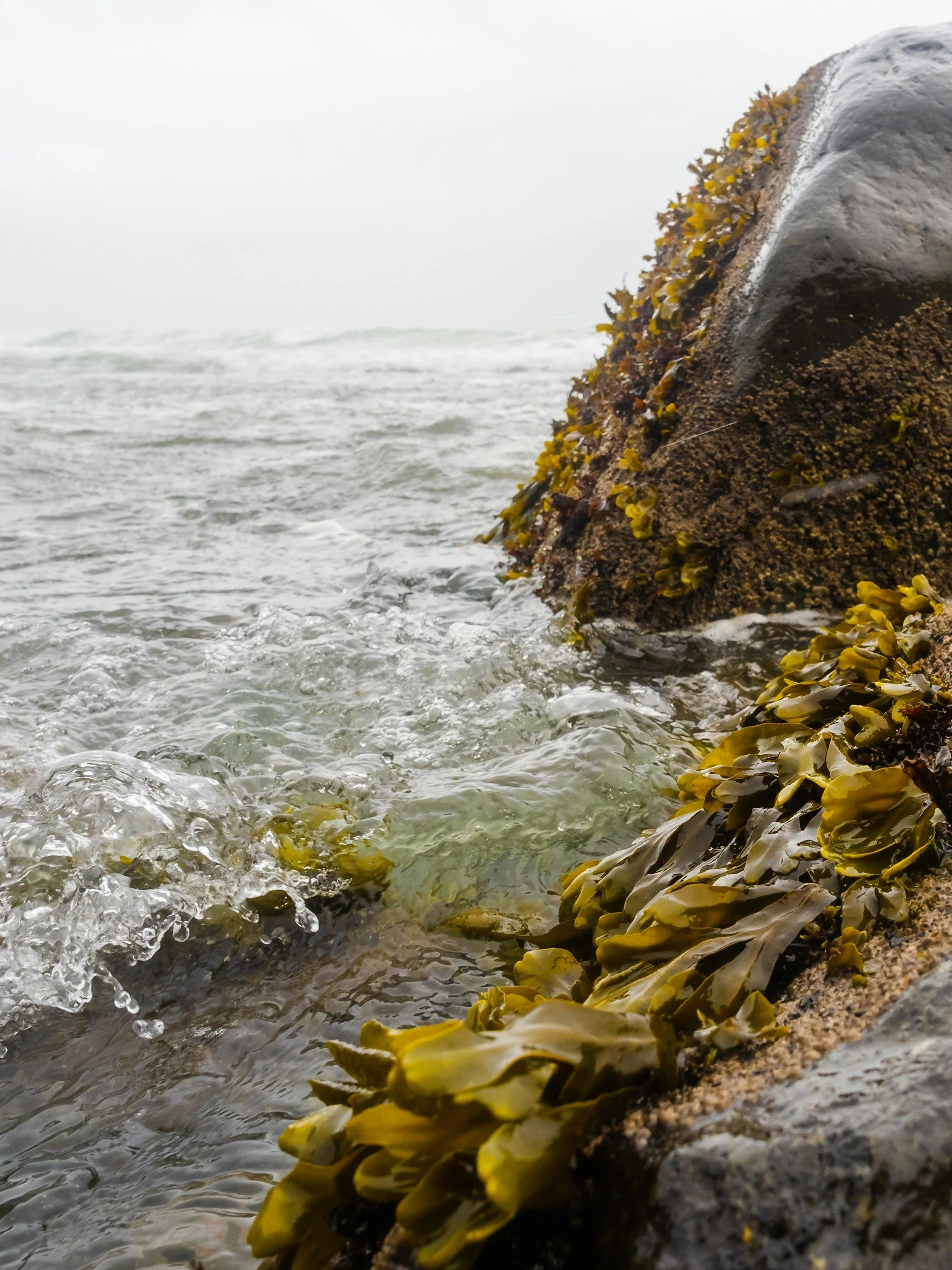
Estuary and wetland restoration
Native plant reintroduction
Climate and flood resilience planning
Public Education
Interpretive trails and signage
Historical accuracy
Storytelling rooted in local indigenous history
Place-based learning opportunities
Community Access
Responsible public access
Stewardship opportunities
Educational programming
Current Status: Project & Appeal Timeline
Latest Update: May 2026 LUBA Victory: RV Park Approval Reversed!
We have big news to share: On May 8, 2026, the Oregon Land Use Board of Appeals (LUBA) reversed Curry County's approval of the RV park conditional use permit for the Wedderburn Loop site. After oral arguments held on April 21, 2026, LUBA ruled in NAIC's favor, agreeing that the County incorrectly applied the law on water-dependence and water-relatedness.
This is a significant victory for cultural preservation, environmental protection, and our community.
Background
In 2025, the Northwest American Indian Coalition (NAIC) participated in the local land-use review process for a proposed RV park on the Wedderburn Loop site, an area recognized by community members for its cultural, environmental, and historical significance along the Rogue River estuary.
Key Dates & Actions
Early 2025
NAIC submitted an appeal of the Curry County Planning Department’s decision to approve a conditional use permit for the proposed RV park.
The appeal raised concerns related to:
Cultural and heritage resources
Environmental and estuarine conditions
Floodplain and hazard considerations
Adequacy of the public review process
July 16, 2025 — Standing Determination
The Curry County Board of Commissioners, acting in its capacity as the Planning Department, determined that NAIC did not meet the legal standing requirements to pursue the appeal.
Based on that determination, the Board closed the hearing without addressing the substantive issues raised.
September 24, 2025 — Standing Appeal Hearing
NAIC appealed the standing determination.
At a subsequent public hearing, written evidence and public testimony were accepted into the record. Community members submitted testimony raising concerns related to:
Cultural and heritage impacts
Environmental and estuarine integrity
Floodplain and hazard risks
Long-term land stewardship
Following the hearing, Commissioner Coker requested additional time to review the record.
November 5, 2025 — Final Local Determination
At a final determination hearing, the hearing body affirmed the prior decision, finding that the proposed RV development complied with applicable local land-use standards.
As a result, the conditional use permit remains in effect.
Appeal to the Oregon Land Use Board of Appeals (LUBA)
Following the final local determination, NAIC and our partner organizations — including Oregon Shores — filed an appeal with the Oregon Land Use Board of Appeals (LUBA), challenging the decision on the grounds that it failed to adequately account for environmental, and land-use concerns raised throughout the process. NAIC and our partners are represented by Crag Law Center in this proceeding.
The LUBA hearing is scheduled for April 21, 2026 at 10:45 am. You can watch the hearing on YouTube here: https://www.youtube.com/watch?v=aNDwbwkVw3I
NAIC's Position
NAIC respects the role of local and state land-use processes and remains committed to lawful advocacy, transparency, and meaningful Indigenous inclusion in land-use decisions affecting culturally significant landscapes.
How Community Can Engage
You Can Support Without Taking Sides
There are constructive ways to support the Tututni Estuary Eco-Cultural Restoration (TEER) effort that do not involve legal participation or advocacy.
Learn how state & federal laws protects cultural and burial sites
Explore how estuaries support fisheries and climate resilience
Attend public listening sessions and educational events
Learn about stewardship and restoration activities.
Join CALCS for updates
Support Indigenous-led conservation efforts
Share accurate information within your community
Send a letter of support
THE VISION
A Protected Estuary for Future Generations
Success looks like:
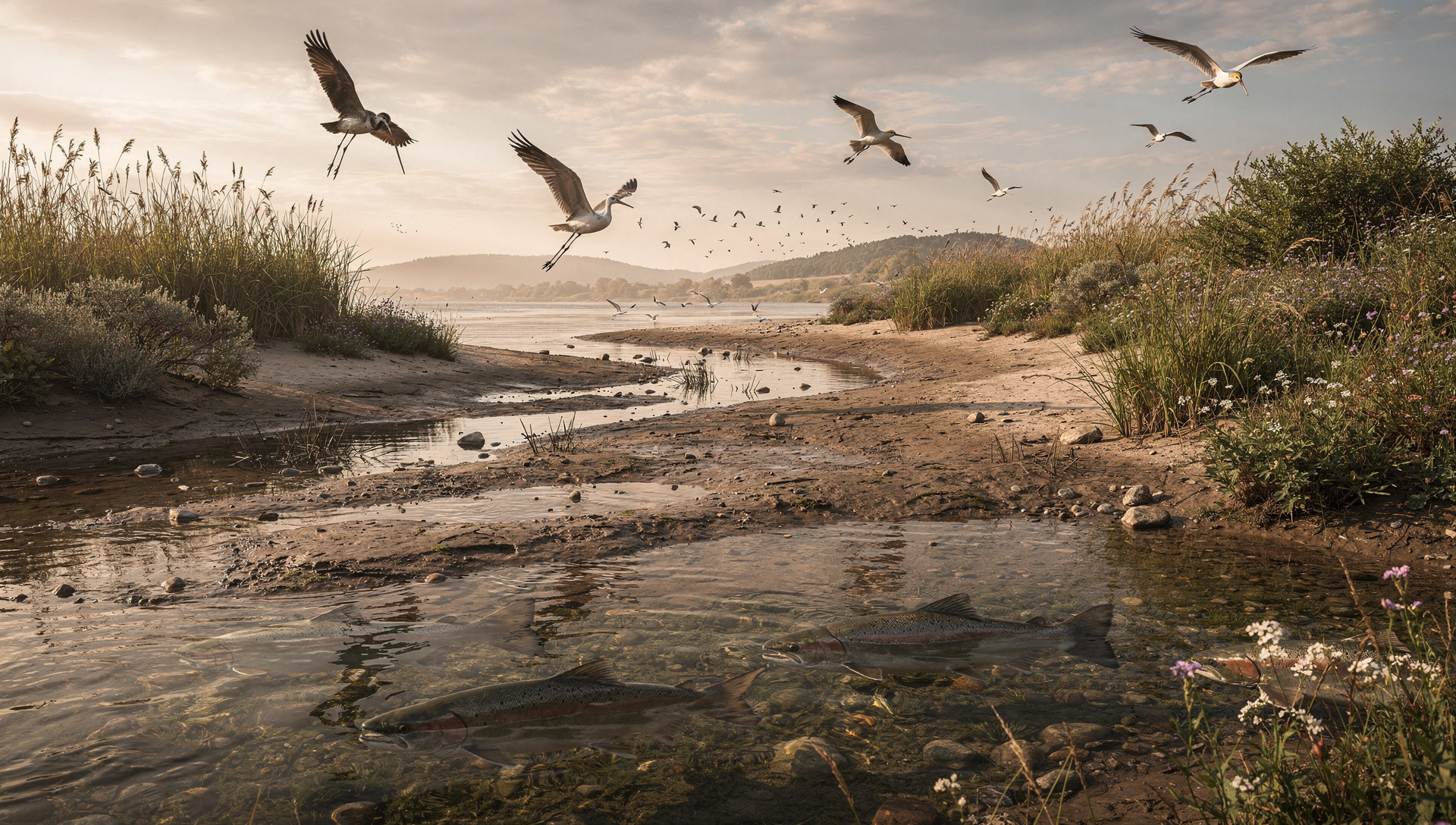
A restored estuary that supports salmon, birds, and biodiversity
Cultural landscapes protected under the law
A place where education, healing, and stewardship coexist
A model for how communities can do better — together
This is not about stopping progress. It is about choosing the right kind of progress.

For Our Children and Future Generations
Support the Tututni Rogue Estuary Ecocultural Restoration today.
Thank you for your thoughtful consideration.
This place consists of an irreplaceable cultural and ecological resource that contributes to the broader goal of healing historical injustices and ensuring a sustainable future for the Tututni people and the community of Gold Beach. We urge you to support this vital effort for the benefit of current and future generations.
Tabatha M. Rood | Project Manager (541) 351-8194
Katrina Thompson-Upton NAIC Founder | Board Chair (541) 661 - 0655